
Condition
Urethral Stricture & Reconstruction
Urethral stricture disease - bulbar, penile, panurethral, recurrent and post-traumatic - with urethroplasty and AALBEC.
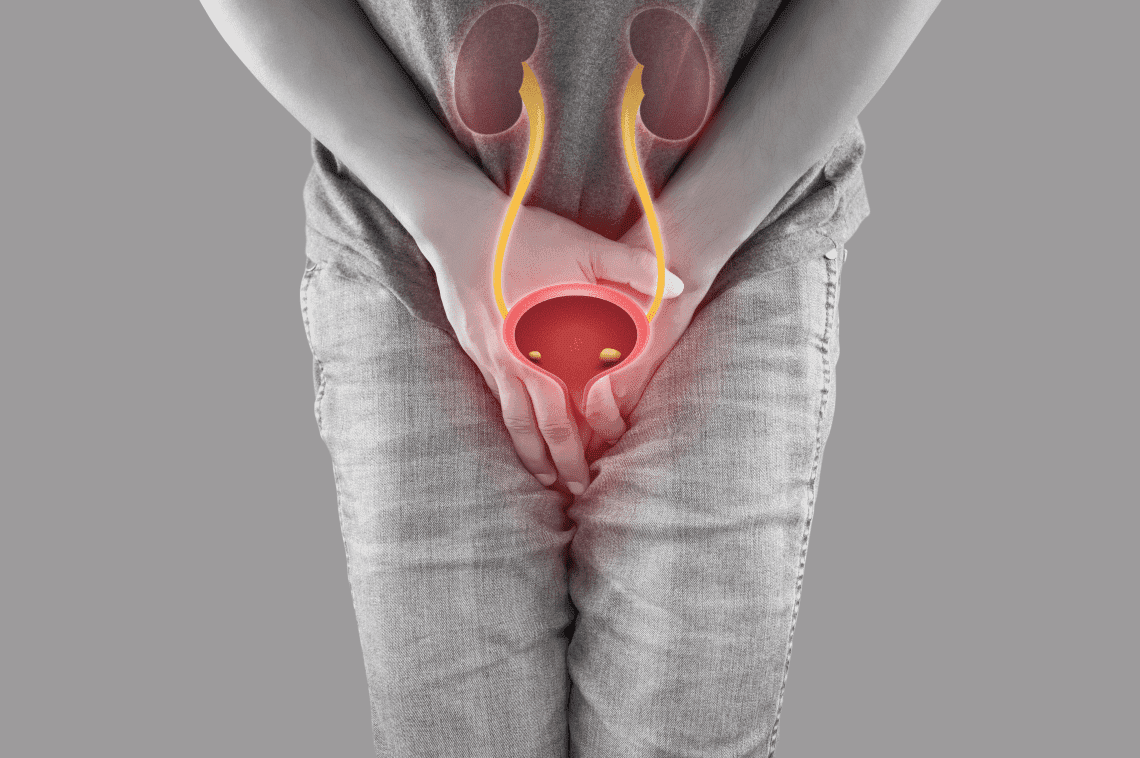
A urethral stricture is a narrowing of the urethra caused by scar tissue. It restricts urine flow, leading to discomfort, infections and potentially kidney damage if left untreated. Strictures are more common in men, as their longer urethra is more susceptible to injury.
Urethroplasty
Gold Standard
DVIU
Endoscopic
10+
Years Experience
Disease management
Treatment options
These are the ways this condition can be treated. The right option depends on your case - Dr. Bafna will explain it in simple words.
Urethral stricture disease
Bulbar urethral strictures
Penile urethral strictures
Panurethral strictures
Recurrent urethral strictures
Meatal stenosis / fossa navicularis strictures
Urethral stricture after prostate surgery
Urethral stricture after hypospadias repair
Post-traumatic urethral strictures
Staged urethral reconstruction
Complex / redo urethroplasty
Causes / risk factors
- Trauma or injury to the urethra (e.g., from falls, accidents or pelvic fractures)
- Long‑term catheterization or repeated instrumentation
- Sexually transmitted infections or chronic urethritis
- Previous surgeries on the prostate or urethra
- Radiation therapy and inflammatory conditions
Symptoms
- Weak, slow or intermittent urine stream
- Straining or prolonged time to empty the bladder
- Pain or burning while urinating
- Blood in the urine or dark, cloudy urine
- Recurrent urinary tract infections and dribbling after urination
When to seek help / emergency signs
- Inability to urinate or acute urinary retention
- Severe lower abdominal pain or distention
- Visible blood in the urine or clot retention
- Fever or chills associated with urinary symptoms
- Persistent or worsening urinary difficulties despite conservative measures
Diagnosis
Initial assessment includes urine flow studies and measurement of residual urine after voiding. Retrograde urethrogram (an X‑ray using contrast dye) or urethroscopy (using a thin camera) identifies the location and length of the stricture. Ultrasound of the urethra and bladder helps assess upstream dilation. In some cases, urodynamic studies evaluate the impact of the stricture on bladder function.
Prevention / aftercare
Use protective gear during contact sports, practise safe sex and get prompt treatment for urinary infections. Avoid unnecessary catheterisation and ensure proper lubrication if catheter insertion is needed. After surgery, follow catheter care instructions carefully and attend scheduled follow‑ups to monitor healing.
Don’t let a slow stream disrupt your life. Schedule an appointment to explore effective solutions and restore normal flow.
Watch & Learn
Videos on Urethral Stricture & Reconstruction
Dr. Sandeep Bafna explains this condition in plain language - symptoms, treatment options, and what recovery looks like.
Common Questions
Urethral Stricture & Reconstruction - FAQs
Expert Guide
Complete guide: Urethral stricture treatment in Chennai
Learn More
Urethral Stricture: Causes, Symptoms, and Treatment
Need Expert Care for Urethral Stricture & Reconstruction?
Schedule a consultation with Dr. Sandeep Bafna at Apollo Hospitals, Chennai for personalised treatment.