
Condition
Enlarged Prostate (BPH)
Prostate enlargement care including medicines, UroLift and endoscopic surgery.
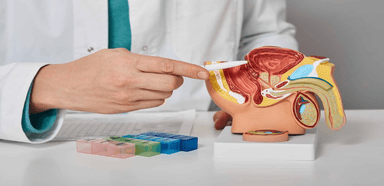
Benign Prostatic Hyperplasia (BPH) is a non‑cancerous enlargement of the prostate gland that commonly affects men over 50. As the prostate grows, it squeezes the urethra, causing urinary difficulties such as weak stream, frequent urination and nighttime waking. Left untreated, BPH can lead to urinary retention, bladder stones or kidney problems.
BPH
Specialist
TURP
Surgical Options
50+
Common Age Group

Disease management
Treatment options
These are the ways this condition can be treated. The right option depends on your case - Dr. Bafna will explain it in simple words.
Medicines for enlarged prostate
Laser / endoscopic surgery (TURP, HoLEP)
Causes / risk factors
- Age and hormonal changes (elevated dihydrotestosterone levels)
- Family history of BPH or prostate disease
- Obesity, sedentary lifestyle and poor diet
- Diabetes, heart disease and erectile dysfunction
- Long‑term use of certain medications (e.g., decongestants) and smoking
Symptoms
- Difficulty starting urination and weak or interrupted stream
- Urgent or frequent need to urinate, especially at night (nocturia)
- Dribbling at the end of urination and feeling that the bladder isn’t empty
- Straining or taking longer than usual to urinate
- Occasional blood in the urine and recurrent urinary tract infections
When to seek help / emergency signs
- Acute urinary retention (sudden inability to urinate)
- Blood in urine or passing clots
- Recurrent UTIs, bladder stones or kidney problems
- Persistent severe symptoms affecting sleep and daily activities
- Pain in the lower abdomen, back or perineum
Diagnosis
We evaluate medical history and perform a digital rectal exam to assess prostate size and texture. Urine and blood tests check for infection and kidney function. Prostate‑specific antigen (PSA) testing helps distinguish BPH from other conditions. Ultrasound and post‑void residual measurements assess bladder emptying, while urodynamic studies or flexible cystoscopy may be ordered for complex cases. MRI or CT scans are reserved for unusual presentations or when planning robotic surgery.
Prevention / aftercare
Maintain a healthy weight, exercise regularly and eat a diet rich in fruits and vegetables. Limit caffeine and alcohol, practise good hydration habits and avoid bladder irritants. After treatment, we provide follow‑up care to monitor symptom improvement and manage any medication side effects.
Trouble peeing? Don’t wait. Book a consultation to discuss modern, minimally invasive BPH treatments, including laser and robotic options.
Watch & Learn
Videos on Enlarged Prostate (BPH)
Dr. Sandeep Bafna explains this condition in plain language - symptoms, treatment options, and what recovery looks like.
Common Questions
Enlarged Prostate (BPH) - FAQs
Expert Guide
Complete guide: Prostate BPH treatment in Chennai
Learn More
Prostate BPH - when to see a urologist in Chennai
Need Expert Care for Enlarged Prostate (BPH)?
Schedule a consultation with Dr. Sandeep Bafna at Apollo Hospitals, Chennai for personalised treatment.