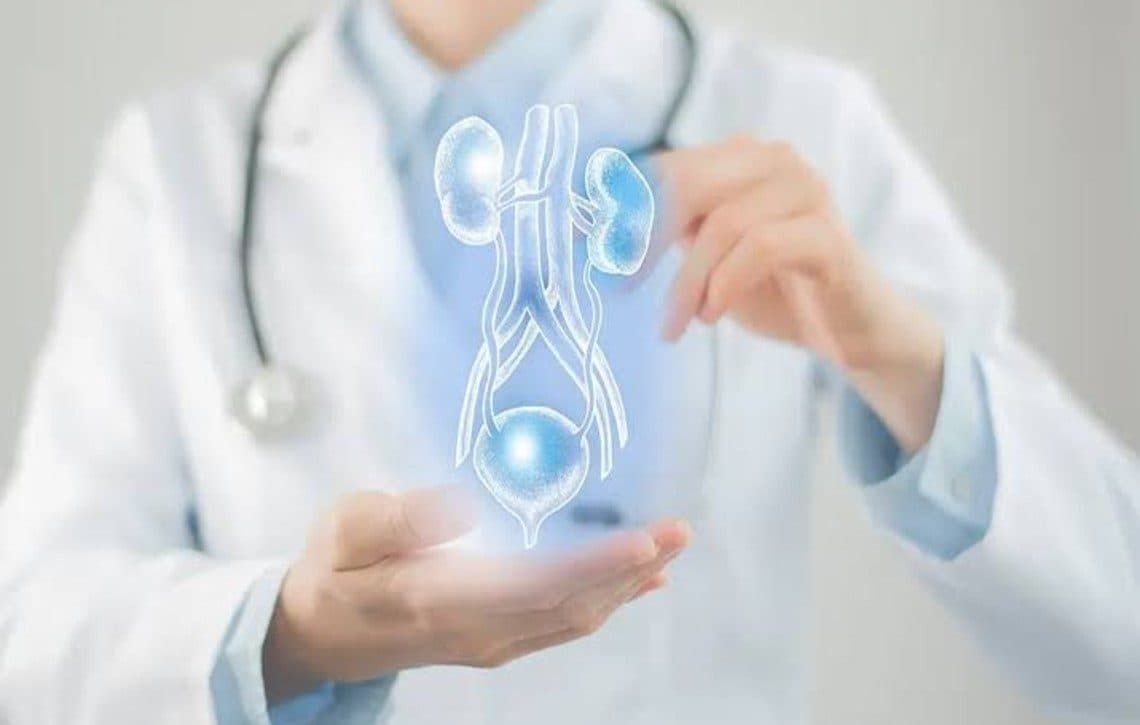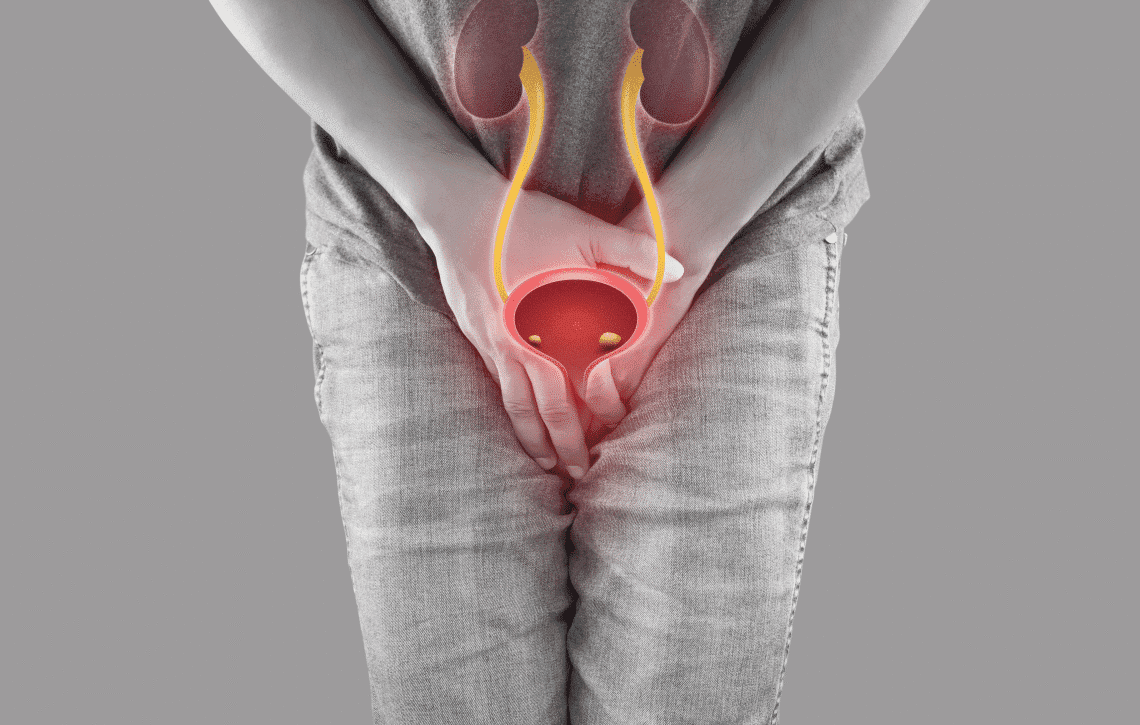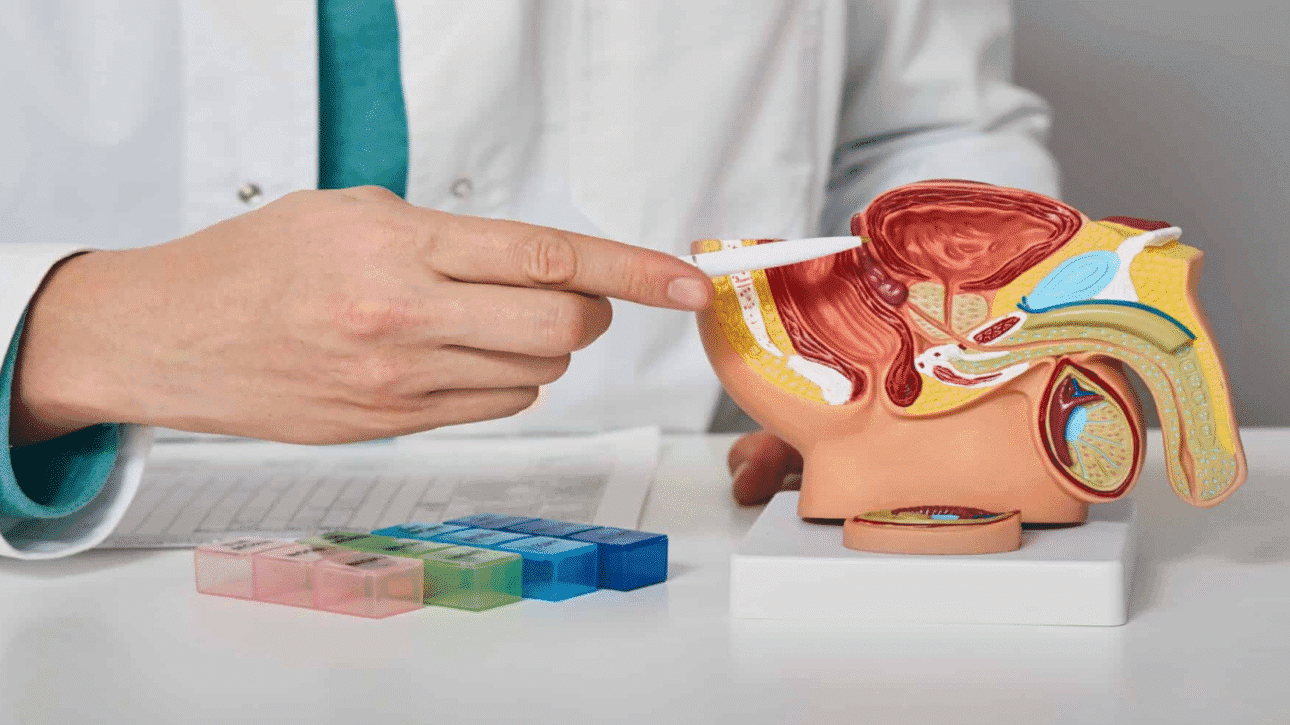
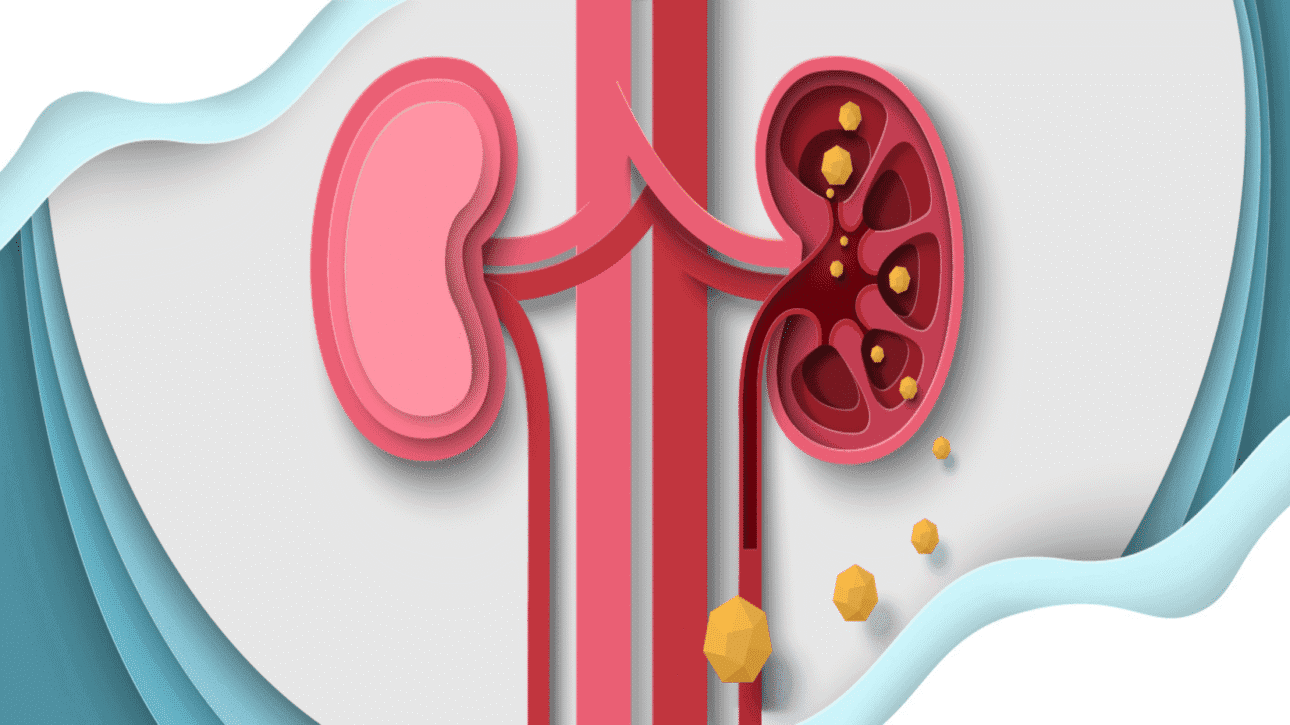
Kidney stones are among the most common urological issues in Chennai, and our hot climate and diet rich in salt, spices and animal protein can increase your risk. Stones form when minerals like calcium, oxalate or uric acid crystallise in concentrated urine. Dehydration, high‑sodium diets, sugary drinks, family history and metabolic disorders such as hyperparathyroidism or gout contribute to stone formation.
Early warning signs include sharp pain in the back or side that radiates to the lower abdomen or groin, difficulty or burning while peeing, blood‑tinged urine, nausea and vomiting. Diagnosis begins with urine and blood tests followed by imaging-non‑contrast CT scans, ultrasound or X‑rays-to locate and measure the stone. These tests help determine the best treatment approach.
For stones smaller than 5 mm, increasing fluid intake (at least 2-3 litres per day), using pain medication and taking alpha blockers to relax the ureter often allow the stone to pass naturally. Larger stones or those causing obstruction require intervention. Shockwave lithotripsy uses sound waves to shatter stones into passable fragments. Ureteroscopy with laser lithotripsy involves inserting a small scope through the urinary tract to visualise and pulverise the stone; fragments are removed with a basket. Percutaneous nephrolithotomy (PCNL) or its mini‑PCNL variant treats big or hard stones through a tiny incision in the back, using an ultrasonic or laser probe. Complex or recurrent stones may require robotic‑assisted procedures to address anatomical issues while removing stones.
Preventing kidney stones involves lifestyle adjustments: drink plenty of water, reduce salt and animal protein, limit intake of oxalate‑rich foods (such as spinach, beetroot, nuts and tea), and incorporate calcium‑rich foods (not supplements) to reduce oxalate absorption. Avoid excessive sugar and sodas, maintain a healthy weight and stay active. If you’ve had stones before, a metabolic work‑up can determine specific risk factors and targeted medications such as potassium citrate or thiazide diuretics may be prescribed. With modern technology and a tailored prevention plan, you can dramatically reduce your risk of kidney stones and enjoy a healthier life.
Frequently asked questions
Quick answers related to this article. For personalised advice, book a consultation.
Is laser treatment available for kidney stones in Chennai?
What size kidney stone can pass naturally?
What causes kidney stones in Chennai's hot climate?
What are the symptoms of kidney stones?
How can I prevent kidney stones from recurring?
Related treatment
Learn about specialist care and treatment options for this condition.
Kidney Stones TreatmentMedical disclaimer
This article is for educational purposes only and does not replace professional medical advice. Please consult Dr. Sandeep Bafna for personalised evaluation and treatment. Read full disclaimer.
Book a Consultation